
Nursing has always carried a reputation for being both brutal and beautiful. Brutal because of the trauma, the responsibility, and the endless demands. Beautiful because of the healing, the humanity, and the moments that remind us why we chose this profession in the first place.
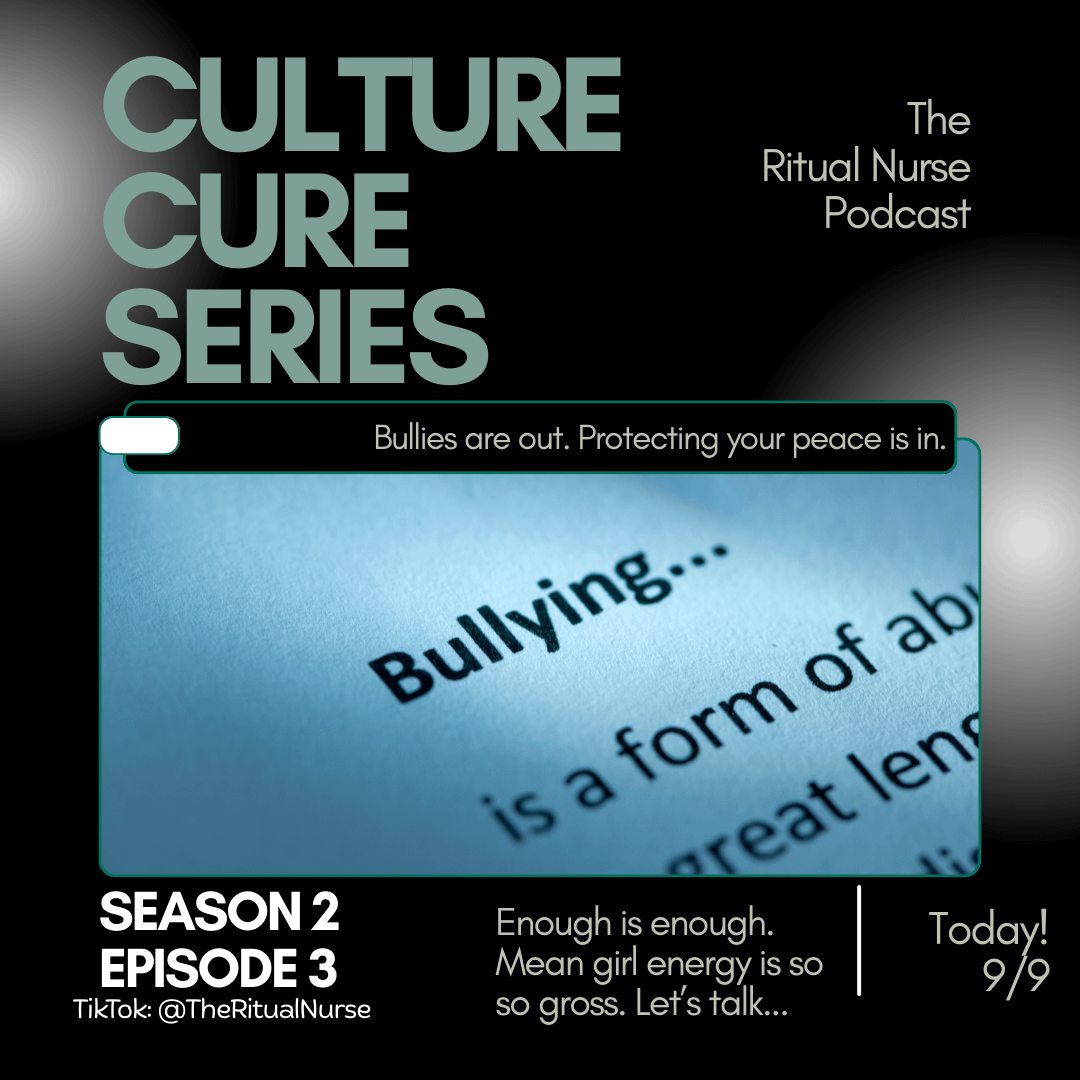
But there’s another side of nursing culture we don’t talk about enough: the whispered comments, the eye rolls, the public call-outs, the resources that “suddenly” aren’t available. It’s the old saying, “nurses eat their young.” Except it isn’t funny, and nobody’s laughing.
This toxic undercurrent is more than uncomfortable; it’s dangerous. Studies consistently show that incivility in healthcare increases error rates, decreases job satisfaction, and fuels turnover. When nurses attack one another, patients pay the price. When leaders excuse toxic behavior, it rots the culture from the inside out. And when good nurses are told to just “have thicker skin,” they burn out, they leave, and sometimes they break.
This Isn’t About Being “Too Sensitive”
Let’s be clear: lateral violence, bullying, and incivility in nursing are not personal weaknesses. They are systemic failures. The “you just can’t take a joke” defense is abusive, plain and simple. No human being, nurse or otherwise, is built to withstand constant humiliation, hostility, or blame. Nurses are not superhuman. We are human beings placed in extraordinary circumstances with extraordinary responsibility.
Every nurse will experience secondary trauma in the course of their career. Patients and families hand off their fear, anger, and grief, and nurses absorb it as part of the work. But when incivility from colleagues and leaders is added on top of that trauma load, it becomes unsustainable.
That’s why we need not just awareness, but practical tools. And that’s where the Culture Cure Toolkit comes in.
The Culture Cure Toolkit
Three skills from the RISE curriculum form the backbone of this episode: PEACE, CALM, and ROLE CLARITY.
PEACE is your structured framework for handling conflict. Instead of shrinking or snapping, you pause, engage with curiosity, acknowledge the other person’s perspective, communicate your boundary, and exit respectfully. This is conflict resolution simplified into repeatable steps that build muscle memory.
CALM is your de-escalation strategy for patients, families, or colleagues. It guides you to center yourself, assess what’s really being communicated, listen actively, and move with intention. CALM keeps your nervous system regulated, prevents spirals, and protects both your mental health and patient safety.
ROLE CLARITY is your armor. It anchors you in your boundaries, helps you identify what belongs to you and what doesn’t, and reframes role strain so you stop absorbing system failures as personal failures. Role clarity directly reduces burnout and moral injury by separating your professional practice from the chaos of a broken system.
Together, these three skills work like armor, a grounding stance, and a sword. You stay steady, you hold the line, and you protect yourself from being pulled into the toxicity.
Why It Works
Research is clear: structured communication frameworks reduce turnover, improve teamwork, and lower the risk of lateral violence. De-escalation training decreases violent incidents and improves patient outcomes. Clear role boundaries reduce stress and improve job satisfaction. These aren’t just coping strategies; they are evidence-based interventions.
And when you use them consistently, the bullies lose power. They either escalate, exposing their own unprofessionalism, or they back off. Either way, the game is up. As I say in the episode, they either get out or grow up.
Beyond Survival: Reclaiming Nursing
This conversation isn’t about “getting through” toxic environments. It’s about refusing to normalize them. Nurses deserve more than survival. We deserve to thrive, to heal, and to rise in our profession without being dragged down by outdated stereotypes and unchecked abuse.
The Culture Cure Toolkit is one step toward that. It gives nurses language, grounding, and clarity to stand their ground in the moment and reclaim their role in the bigger picture.
Rituals of Self-Care
Because The Ritual Nurse always balances science with ritual, we close the episode with a reminder that healing also lives in the small, intentional practices we carve out for ourselves. This week’s crystal prescription is Garnet, the stone of passion, confidence, and vitality. Paired with the Ace of Swords (clarity and focus) and the Lovers (healthy relationships and boundaries), the message is simple: ignite your fire, clarify your voice, and love yourself enough to protect your peace.
Just as a cup of coffee can become a ritual, so too can building boundaries and reclaiming culture. When you ritualize it, you make it sacred, and you make it stick.
The Bottom Line
Nursing culture does not have to be toxic. We can end the cycle of bullying, incivility, and mean girl behavior. We can protect our peace, safeguard our resilience, and demand environments where nurses are treated as the integral, irreplaceable professionals we are.
With PEACE, CALM, and ROLE CLARITY in hand, you are not powerless. You are equipped. And with every nurse who refuses to tolerate toxicity, we move closer to the profession we deserve.
The mean girl era is over. Thriving nurses are in.
Podcast direct links:


